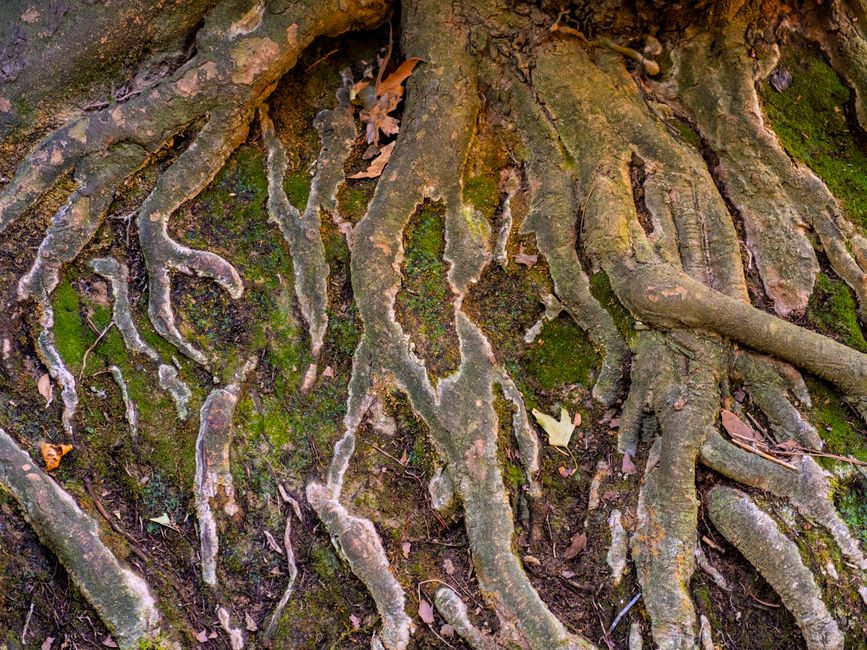
Root barrier installation in San Antonio has become a critical concern for homeowners watching foundation cracks widen each summer. The region's expansive clay soils shrink dramatically during drought, and aggressive tree roots from live oaks, mesquites, and pecans accelerate that moisture loss directly beneath slab perimeters.
The result: differential settlement, sticking doors, and repair bills that routinely exceed $15,000 when ignored. Local foundation specialists typically recommend installing a vertical root barrier 24 to 36 inches deep around vulnerable elevations before structural damage compounds.
Homeowners researching this preventive measure should understand the materials involved, realistic pricing for this market, permitting considerations, and how barrier installation coordinates with existing irrigation and drainage.
Get matched with vetted root barrier contractors through our to receive transparent quotes and assessments tailored to the specific tree species and soil profile on the property.
Why It Matters in San Antonio
San Antonio sits atop some of the most expansive clay soils in Texas, where seasonal moisture swings cause foundations to heave and settle with brutal predictability.
When mature live oaks, pecans, and cedar elms pull moisture from beneath a slab during summer drought, the resulting differential settlement can crack interior walls, jam doors, and separate brick veneers within a single season.
For local homeowners, the stakes go beyond cosmetic repairs. A compromised foundation can quietly cut resale value by 10 to 20 percent and complicate future insurance claims.
Proactive protection through proper subsurface barriers helps preserve structural integrity in a region where soil-tree-foundation conflicts are not a question of if, but when.
What Is a Root Barrier and How It Protects San Antonio Foundations
A root barrier is a subsurface vertical membrane installed between a tree's root zone and a structure's foundation, designed to redirect lateral root growth downward or away from slab foundations.
In San Antonio, where expansive clay soils swell and shrink dramatically with moisture cycles, these barriers serve as the primary defense against root-induced soil desiccation beneath residential slabs.
Two primary categories dominate the market. Mechanical barriers use solid sheets of HDPE polyethylene (typically 60-80 mil thickness) buried 30 to 48 inches deep to physically block root penetration.
Chemical barriers incorporate slow-release herbicides like trifluralin embedded in fabric or geotextile layers, which inhibit root tip cell division on contact without harming the host tree.
Why South Texas Trees Threaten Foundations
Drought-tolerant species common to the region — particularly the live oak, cedar elm, and pecan — develop aggressive lateral root systems that can extend two to three times the canopy radius. During Texas droughts, these roots actively pursue moisture beneath cooler, shaded slab perimeters, extracting water from already-parched expansive clay.
The resulting soil shrinkage causes differential foundation movement.
- Moisture extraction zones — mature live oaks can pull 40 to 60 gallons daily from a 30-foot radius
- Vertical depth — properly installed barriers should extend below the active root zone, typically 36 inches minimum in clay-dominant areas
- Linear coverage — barriers run parallel to the foundation along the tree-facing perimeter, not encircling the trunk
Local geotechnical conditions in San Antonio make barrier specification non-trivial. Homeowners researching this protection should consult with vetted foundation contractors through our to determine whether mechanical, chemical, or hybrid systems suit their specific lot conditions, tree species, and existing foundation type.

Signs Your San Antonio Property Needs a Root Barrier Installed
Homeowners researching foundation cracks in neighborhoods like Alamo Heights, Stone Oak, and Olmos Park should learn to recognize early warning indicators before structural damage escalates. Mature canopy trees combined with shrink-swell clay create predictable failure patterns that trained inspectors can identify during a routine walkthrough.
Visible Warning Signs Around the Slab Perimeter
The most diagnostic indicator is surface roots emerging within 15 feet of the foundation, particularly from a live oak or pecan tree planted near the home. Both species develop aggressive lateral root systems that travel toward moisture sources, including the cooler soil beneath concrete slabs.
- Hairline cracks radiating from corners toward the nearest mature tree, often appearing in stair-step patterns on brick veneer
- Soil heave visible as raised mounds or undulating turf between the trunk and foundation, indicating active root displacement
- Sticking interior doors on the wall closest to the offending tree, especially after extended dry periods
- Gaps forming between the slab and adjacent patios, walkways, or driveways
- Diagonal cracks above doorframes or windows aligned with tree canopy direction
Properties built on the Edwards Plateau formations common throughout central Texas show these symptoms more aggressively than those on sandier southern soils. Differential foundation movement typically accelerates during summer drought cycles when thirsty roots extract maximum moisture from clay layers beneath the structure.
Homeowners who notice two or more indicators should request a professional assessment before cracks widen beyond a quarter inch. Local foundation contractors and arborists working through our can evaluate whether root intrusion is the primary cause and recommend appropriate barrier specifications.
Early intervention typically costs a fraction of full underpinning repairs and preserves valuable mature trees that contribute significantly to property values across established San Antonio neighborhoods.
Pro Tip: Time Root Barrier Installation Before the Dry Season
Industry professionals recommend scheduling root barrier installation in late winter or early spring, before Texas heat triggers aggressive moisture extraction by mature trees.
Installing during this window allows the trench backfill to settle naturally with seasonal rainfall, and gives the membrane time to integrate before peak soil shrinkage begins in July.
Homeowners researching contractors through our should ask candidates about moisture monitoring post-installation — reputable companies typically include 12-month follow-up readings to verify the barrier is performing as designed.
The Root Barrier Installation Process Step-by-Step in San Antonio
Professional crews matched through our typically begin with a site survey and utility locate before breaking ground.
The contractor marks the trench line approximately 18 to 24 inches from the foundation edge, then uses a walk-behind trencher or mini-excavator to cut a narrow channel reaching a 30-inch depth minimum.
In neighborhoods underlain by hard caliche layers, hydraulic rock saws or rotary trenchers may be required, which extends labor hours and equipment costs noticeably.
Once the trench is open, installers place a continuous sheet of 60-mil HDPE geomembrane vertically against the wall closest to the protected structure. The barrier extends a few inches above grade to block surface roots and is heat-welded or overlapped at seams to prevent lateral root intrusion.
Crews then backfill in compacted lifts using the excavated soil, restoring grade and reseeding or resodding the disturbed strip.
Linear vs. Encircling Configurations
Two layouts dominate residential projects in Bexar County. A linear barrier runs parallel to the foundation along the side facing a mature tree, which is the standard approach when one or two specimens threaten the slab.
An encircling barrier wraps the entire root zone of the tree itself, used when the homeowner wants to preserve a heritage live oak while shielding multiple structures.
Tree protection regulations significantly shape the workflow.
The City of San Antonio tree ordinance (Chapter 35, Article VI of the Unified Development Code) classifies live oaks above certain trunk diameters as significant or heritage trees, and any work within the critical root zone may require an arborist consultation, a permit, and root pruning performed with clean hand tools rather than mechanical trenchers.
Properties in unincorporated Bexar County follow different review thresholds but still face Edwards Aquifer recharge zone restrictions in northern sectors. Vetted contractors reached through the form on this page handle permit pulls, arborist coordination, and final inspection so the homeowner avoids code violations.

Root Barrier Costs and Timeline for San Antonio Homeowners
Root barrier pricing in San Antonio typically ranges from $35 to $75 per linear foot for professionally installed HDPE membrane systems. Homeowners researching quotes through our should expect total project costs between $3,500 and $12,000 depending on barrier length, trench depth, and soil conditions across Bexar County.
Typical Cost Breakdown by Lot Size
- Small lots (under 7,500 sq ft): 50 to 80 linear feet, $2,800 to $6,000 total
- Standard suburban lots: 100 to 150 linear feet, $5,500 to $11,250 total
- Large estate properties: 200+ linear feet, $9,000 to $18,000 total
- Bexar County permit costs: $85 to $250 depending on jurisdiction and right-of-way involvement
The standard project timeline spans two to five business days for most residential installations. Trenching and barrier placement usually take one to three days, with backfill, compaction, and landscape restoration completing the remainder.
Permit approval through the City of San Antonio Development Services adds five to ten business days upfront, which professional contractors matched through our service typically handle on the homeowner's behalf.
Labor rates across the region show meaningful variation. San Antonio pricing generally runs 10 to 15 percent below Austin metro quotes, where excavation crews command premium rates due to tech-sector demand. Houston pricing sits roughly comparable to San Antonio, though Gulf Coast soil complexity occasionally pushes Houston bids higher.
Homeowners should request itemized linear foot pricing that separately lists materials, trenching depth, root pruning, and restoration so quotes remain comparable across the three or four contractors typically matched through the free intake form.
San Antonio Root Barrier Cost Breakdown by Material Type
| Barrier Type | Cost Per Linear Foot | Typical Project Total | Lifespan |
|---|---|---|---|
| HDPE Geomembrane (40-mil) | $35 to $50 | $3,500 to $7,500 | 30 to 50 years |
| Linear Low-Density Polyethylene (LLDPE) | $45 to $60 | $4,500 to $9,000 | 40 to 60 years |
| Copper-Impregnated Fabric | $55 to $70 | $5,500 to $10,500 | 20 to 30 years |
| Reinforced Composite Membrane | $60 to $75 | $6,000 to $12,000 | 50 plus years |
Frequently Asked Questions
How long does a root barrier last once installed around a San Antonio foundation?
High-density polyethylene barriers typically maintain effectiveness for 40 to 50 years when installed at proper depth in Bexar County's expansive clay soils. Geotextile fabric variants may degrade faster, lasting roughly 25 years. Longevity depends on installation depth, backfill compaction, and whether tree roots encounter mechanical damage from subsequent landscaping work.
Professional contractors matched through our generally warranty workmanship for 5 to 10 years against material failure.
Will installing a root barrier kill the tree it surrounds?
Properly designed barriers do not kill mature trees when installed correctly. Crews preserve at least 60 percent of the critical root zone and avoid trenching closer than the trunk-diameter-times-six rule. Live oaks tolerate root pruning better than red oaks or hackberries.
However, aggressive trenching within the dripline during drought stress can trigger decline. Certified arborists often supervise installations on heritage trees to minimize transpiration shock and structural instability risk.
Can a homeowner install a root barrier without hiring a contractor?
DIY installation is technically possible for shallow ornamental barriers, but foundation-protection depth of 36 to 48 inches requires trenching equipment, utility locates through Texas811, and engineered membrane materials. Improper depth allows roots to grow underneath the barrier, defeating its purpose entirely.
Liability for severed gas, water, or fiber lines falls on the property owner. Most homeowners save money long-term by getting matched with vetted professionals who carry excavation insurance and warranty coverage.
What time of year is best for root barrier installation?
Late fall through early spring offers optimal conditions, when trees are dormant and soil moisture is moderate. Installing during peak summer drought stresses already-compromised root systems and produces concrete-hard clay that resists trenching. Heavy rain periods create trench-collapse hazards and prevent proper backfill compaction.
Scheduling between November and March typically yields better pricing and faster project starts since contractor demand drops outside the active foundation-repair season.
Does a root barrier replace the need for foundation watering or pier repair?
No. Barriers prevent future moisture extraction by tree roots but do not reverse existing foundation movement or rehydrate desiccated soils. Properties with active settlement typically need soaker-hose perimeter watering, helical pier underpinning, or both, in combination with the barrier. Homeowners should expect a comprehensive engineering assessment before installation.
Treating the barrier as a standalone fix on a distressed slab is one of the most common and costly mistakes.
Protecting your foundation from aggressive tree roots is one of the most cost-effective investments a San Antonio homeowner can make. With expansive clay soils amplifying every cycle of moisture loss, a properly installed barrier preserves slab integrity for decades and helps avoid five-figure repair bills down the road.
Ready to take the next step? Get matched with vetted Foundation Repair in San Antonio, TX via our -matching form and receive tailored assessments from local specialists who understand Bexar County soil conditions and the unique demands of mature urban tree canopies.